
Deprecated: mb_convert_encoding(): Handling HTML entities via mbstring is deprecated; use htmlspecialchars, htmlentities, or mb_encode_numericentity/mb_decode_numericentity instead in /home/y059riaj/domains/lureschool.com/public_html/wp-content/themes/acabado-1/functions.php on line 2160
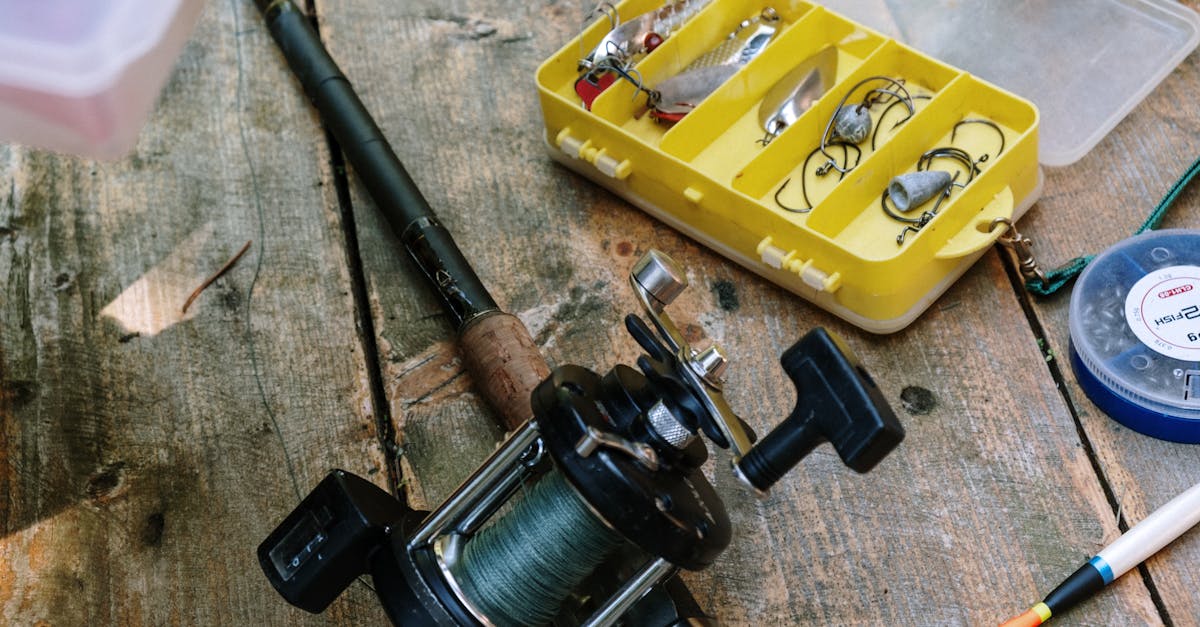
Mastering Fishing Lures: A Novice’s Guide to Catching the Big One!
Hey there, fellow fish wranglers! I’m Jeremy, and like many of you, I’ve been casting lines since I was barely tall enough to hold a rod. Remember the thrill of pulling in that first wiggly creature? Yeah, me too. It hooked me for life! But let me tell you, moving from the simplicity of a worm on a hook to the intricate world of artificial lures—well, it’s like switching gears from a tricycle to a motorcycle.
Why Lures, You Ask?
Here’s the thing: lures can be as alluring as their name suggests. They open up a whole ocean of opportunities. Ever wondered why some anglers swear by them? It’s because a well-chosen lure can target specific fish, match water conditions, and give you a heck of a lot of control over your game. But, like anything worthwhile, it comes with a learning curve. Don’t worry—I’m here to help you ride those waves.
Crankbaits: Your Trusty Speedsters
Let’s start with crankbaits. Think of them as the sports cars in your tackle box. They’re designed to mimic fast-moving prey, with vibrant colors and rattles that scream, “Notice me!” Use them when the fish are active and ready to chase. Pick a crankbait with a diving lip to cover different depths, and you’ll have that trophy bass, no problemo.
Pro Tip: Keep It Natural
- Match the hatch—choose colors and shapes that resemble the local prey.
- Experiment with retrieval speed to find what teases those fish into biting.
Soft Plastics: The Chameleons of the Lake
Now, onto soft plastics. If crankbaits are your race cars, these are the flexible sedans that adapt to any condition. With their wiggly tails and lifelike movements, they’re perfect for finessing tricky fish. You can rig them in various ways: Texas rig, Carolina rig, or just wacky rig ’em for that unpredictable wobble.
Remember:
Soft plastics are versatile. Change up the colors to suit different water clarities—try brighter hues in murky waters and more natural tones in clear conditions. Got a favorite? Mine’s the green pumpkin. It’s like the hoodie of the fishing world; it just works everywhere.
Jigs: The Workhorses
Let’s not forget jigs—these guys are your workhorses. Whether you’re bouncing them off the bottom or swimming them through weeds, they’re robust and ready. The key with jigs is in the presentation. Let them hit the bottom, then give them a little jiggle to entice any curious fish nearby.
Quick Jigging Tips:
- Consider using a trailer for added movement and bulk.
- Keep a variety of weights on hand to adapt to different depths and currents.
Spinnerbaits: Flash and Vibration Play
Picture this: a bass swipes at a shad, its side glistening in the sunlight. Spinnerbaits mimic that flash with their blades and add vibration—drawing fish in with a promise of an easy meal. They’re awesome in weedy areas where other lures snag. Plus, they’re easy to use. Just cast and reel; let those blades do the talking.
Final Thoughts—Reeling It In
So my fishing friends, why not grab a few lures and give them a whirl? Each type offers a unique edge, whether it’s the speed of crankbaits, the adaptability of soft plastics, the resilience of jigs, or the allure of spinnerbaits. And hey, if you don’t catch a fish your first time out, remember: the joy’s in the journey and the storytelling.
Ready to swap a tale or two? Drop your experiences in the comments or shoot a message. Let’s make this an adventure we share!