
Deprecated: mb_convert_encoding(): Handling HTML entities via mbstring is deprecated; use htmlspecialchars, htmlentities, or mb_encode_numericentity/mb_decode_numericentity instead in /home/y059riaj/domains/lureschool.com/public_html/wp-content/themes/acabado-1/functions.php on line 2160
Deprecated: mb_convert_encoding(): Handling HTML entities via mbstring is deprecated; use htmlspecialchars, htmlentities, or mb_encode_numericentity/mb_decode_numericentity instead in /home/y059riaj/domains/lureschool.com/public_html/wp-content/themes/acabado-1/functions.php on line 2160
Deprecated: mb_convert_encoding(): Handling HTML entities via mbstring is deprecated; use htmlspecialchars, htmlentities, or mb_encode_numericentity/mb_decode_numericentity instead in /home/y059riaj/domains/lureschool.com/public_html/wp-content/themes/acabado-1/functions.php on line 2160
Deprecated: mb_convert_encoding(): Handling HTML entities via mbstring is deprecated; use htmlspecialchars, htmlentities, or mb_encode_numericentity/mb_decode_numericentity instead in /home/y059riaj/domains/lureschool.com/public_html/wp-content/themes/acabado-1/functions.php on line 2160
I find myself often thinking about how to improve my chances at catching those finicky fish. One thing I keep asking is can I use live bait alongside my artificial lures?
Yes you can put live bait on an artificial lure and catch fish. The natural action provided by the moving worm, leech or grub will attract fish for a reaction, feeding or, depending on the size of your lure, a territorial strike.
What kind of live bait can I put on an artificial Lure?
There are many different types of live bait that can be used on an artificial lure, and the best choice will depend on the species of fish you are targeting and the type of lure you are using. Some common types of live bait that can be used on an artificial lure include:
- Worms: Worms are a classic type of live bait that can be used on a wide variety of lures, including jigs, spoons, and spinners. They are particularly effective for catching bass, panfish, and other species that feed on insects and other small critters.
- Minnows: Minnows are small, schooling fish that are often used as live bait for catching larger predatory species such as pike, trout, and walleye. They can be attached to a variety of lures using bait rigs, treble hooks, or specialized hooks and rigs.
- Leeches: Leeches are a type of invertebrate that can be used as live bait for a variety of species, including bass, pike, and panfish. They can be attached to lures using bait rigs, treble hooks, or specialized hooks and rigs.
- Crayfish: Crayfish, also known as crawdads, are a popular type of live bait for catching bass and other species of fish that feed on crustaceans. They can be attached to lures using bait rigs, treble hooks, or specialized hooks and rigs.
- Insects: Some anglers also use insects such as grasshoppers, crickets, or beetles as live bait for catching a variety of species, including bass, panfish, and trout. Insects can be attached to lures using bait rigs, treble hooks, or specialized hooks and rigs.
It is important to do some research and choose the right type of live bait for the species of fish you are targeting. Different types of bait can be more effective for certain species and in different fishing situations. You can checkout my other article below that lists out which species are attracted to which type of lure.
-
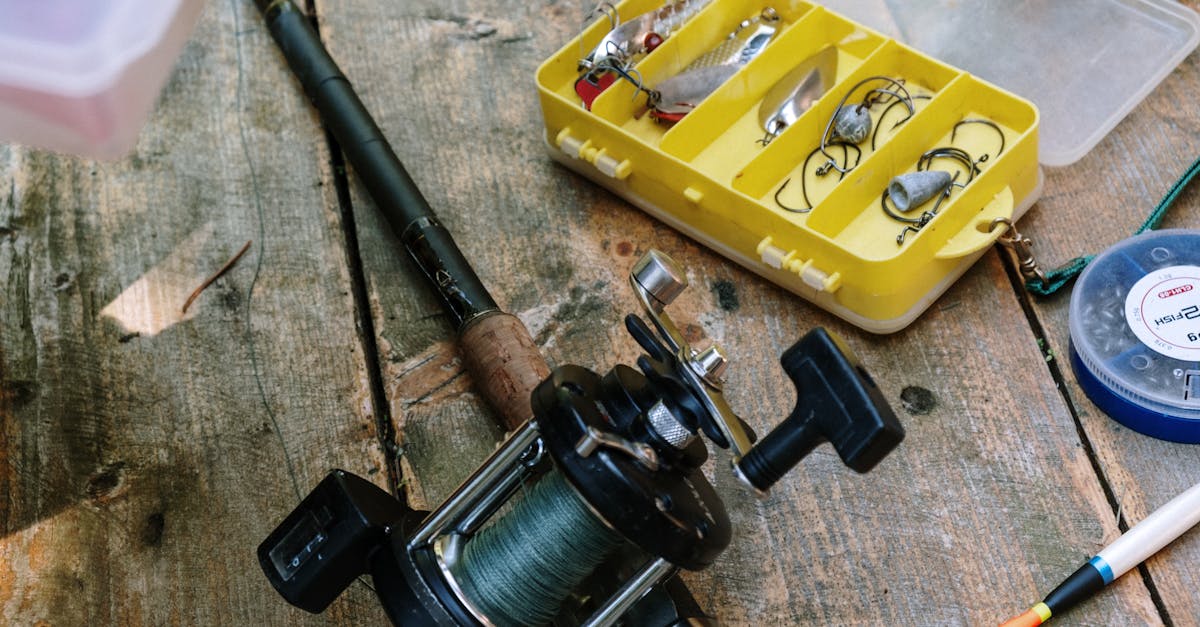
Mastering Fishing Lures: A Novice’s Guide to Catching the Big One!
Mastering Fishing Lures: A Novice’s Guide to Catching the Big One! Hey there, fellow fish wranglers! I’m Jeremy, and like many of you, I’ve been casting lines since I was barely tall enough to hold a rod. Remember the thrill of pulling in that first wiggly creature? Yeah, me too. It hooked me for life!…
-
Mastering the Art of Lure Fishing: Tips from an Enthusiastic Angler
Mastering the Art of Lure Fishing: Tips from an Enthusiastic Angler Introduction: Hooked from an Early Age Hey there, I’m Jeremy, and I’m guessing you and I have at least one thing in common—we love fishing. Ever since I reeled in that first big one, I’ve been hooked! You know, there’s something about making the…
-
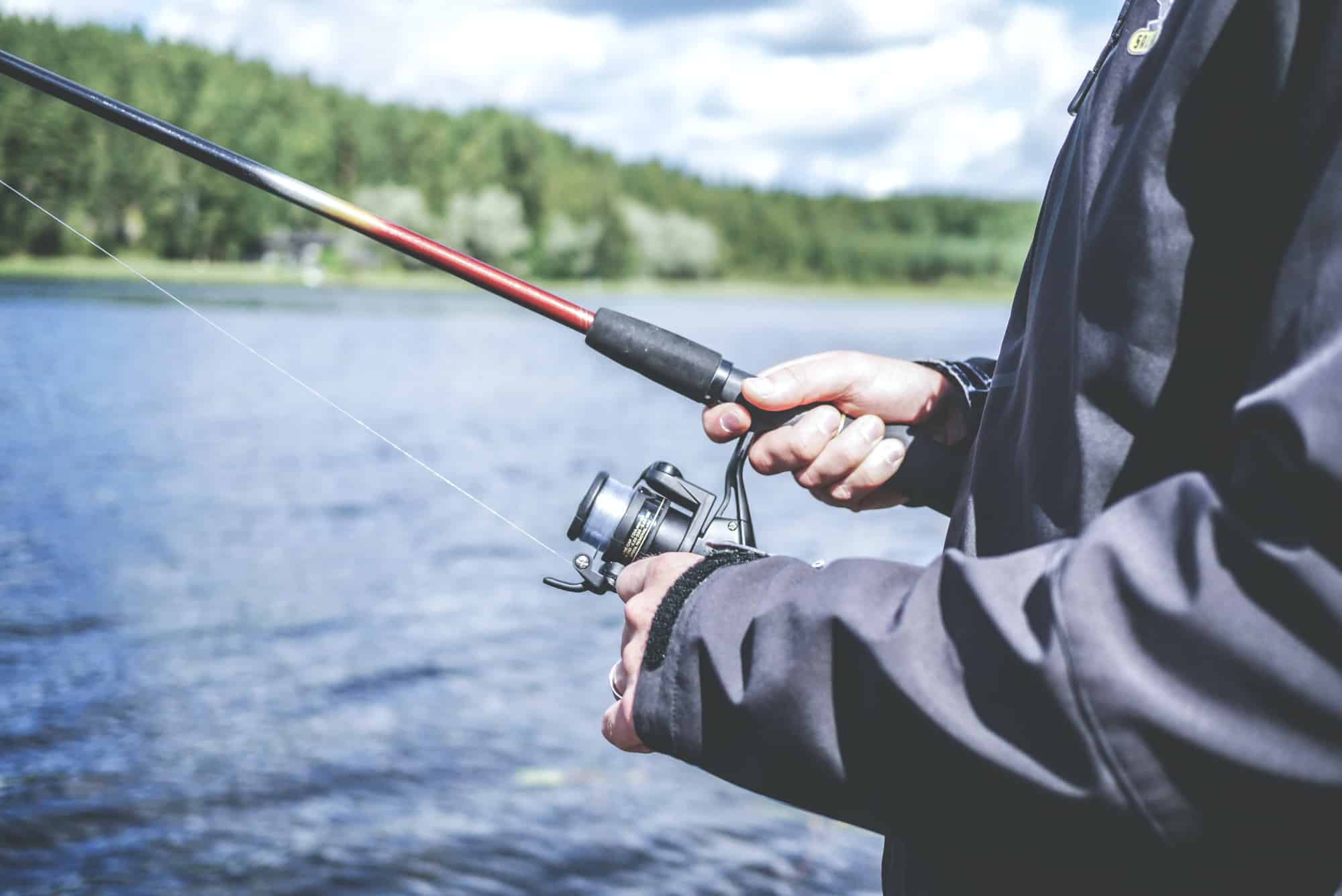
Can I use live bait alongside an artificial lure?
I find myself often thinking about how to improve my chances at catching those finicky fish. One thing I keep asking is can I use live bait alongside my artificial lures? Yes you can put live bait on an artificial lure and catch fish. The natural action provided by the moving worm, leech or grub…
When should I put live bait on a lure?
There are a few situations where using live bait on an artificial lure can be particularly effective. These include when fishing in areas with heavy cover or structure, when targeting finicky or inactive fish, when targeting predatory species, and when fishing in clear water.
When fishing in areas with heavy cover or structure: Live bait can be more effective than artificial lures when fishing in areas with heavy cover or structure, such as weeds, rocks, or logs. The natural movement and scent of live bait can attract fish that might not be interested in an artificial lure.
When targeting finicky or inactive fish: Some fish, such as trout or panfish, can be very finicky and may not be interested in an artificial lure. In these situations, using live bait can be more effective because it can provide a more natural and lifelike presentation in the water.: Some fish, such as trout or panfish, can be very finicky and may not be interested in an artificial lure. In these situations, using live bait can be more effective because it can provide a more natural and lifelike presentation in the water.
When targeting predatory species: Predatory species such as pike, bass, and walleye often feed on live bait, and using live bait on an artificial lure can be an effective way to trigger their predatory instincts.
When fishing in clear water: In clear water, fish can be more wary and may be more likely to be attracted to the natural movement and scent of live bait. Using live bait on an artificial lure can be a good way to get their attention and entice them to bite. Assuming the water isn’t so clear that they can see the hook holding your bait in place.
What kind of lures work well with live bait additions?
There are many types of lures that can be effectively used with live bait additions. Some common types of lures that work well with live bait include:
- Jigs: Jigs are a type of lure that consists of a weighted head and a hook, and they can be used with a variety of live bait, including worms, minnows, and leeches. Jigs are particularly effective for catching bass, panfish, and other species that feed on small critters.
- Spoons: Spoons are a type of lure that is shaped like a spoon and can be used with minnows, leeches, and other types of live bait. They are effective for catching a wide variety of species, including pike, bass, and trout.
- Spinners: Spinners are a type of lure that consists of a spinner blade and a hook, and they can be used with minnows, leeches, and other types of live bait. They are effective for catching a wide variety of species, including pike, bass, and trout.
- Swimbait: Swimbait is a type of lure that is designed to mimic the appearance and movement of live baitfish, and it can be used with live minnows or other small baitfish. They are effective for catching a wide variety of predatory species, including bass, pike, and walleye.
- Crankbaits: Crankbaits are a type of lure that is designed to mimic the appearance and movement of small baitfish, and they can be used with live minnows or other small baitfish. They are effective for catching a wide variety of predatory species, including bass, pike, and walleye.
When should you avoid using live bait alongside an artificial lure?
There are a few situations where adding live bait to an artificial lure might not be the best choice.
One such situation is when fishing in heavily fished or pressured waters. In these areas, fish may be more wary and less likely to bite on live bait, particularly if they have been exposed to it frequently. In these situations, using an artificial lure that has a more subtle or natural presentation might be more effective.
Another situation where adding live bait to an artificial lure might not be the best choice is when the water is extremely cold. In very cold water, fish may be less active and less likely to bite on live bait. In these situations, using an artificial lure that has a slower or more subtle presentation might be more effective.
In addition, adding live bait to an artificial lure might not be the best choice when the water is extremely clear. Yes, I know I just said that clear water is good for the live bait/artificial combo; however, In very clear water, fish may be more wary and less likely to bite on live bait, particularly if they can see the bait and the hook clearly. In these situations, using an artificial lure that has a more subtle or natural presentation might be more effective.
Finally, adding live bait to certain types of lures, such as topwater lures or surface lures, might not be the best choice as these lures are designed to create a lot of commotion and disturbance in the water, and adding live bait to them can often detract from their effectiveness.
It is also important to note that in some areas, the use of live bait is prohibited or restricted, and it is important to familiarize yourself with the local regulations before fishing. These are general guidelines, and the best approach will depend on the specific situation and the species of fish you are targeting. It is always a good idea to do some research and choose the right bait and lure for the conditions you are fishing in.